
Hypnotherapy for Anxiety
in Norfolk & Suffolk
In-Person or Online Sessions Available
At Anglia Hypnotherapy, you can attend sessions at our Suffolk practice in Occold, near Diss and Eye on the Norfolk border, or choose secure online appointments. Both options offer the same professional care and flexibility to receive therapy in the way that suits you best.
Understanding Anxiety
Everybody feels anxious from time to time. It’s the bodys natural reaction to stress, danger, or uncertainty. In fact, mild anxiety can sharpen focus before an exam, interview, or presentation. But for many people, anxiety becomes more than a short term feeling.
When worry is severe, prolonged, and interferes with daily life, it can develop into an anxiety disorder. Around 1 in 10 people in the UK experience anxiety at a level that impacts work, relationships, and wellbeing. Anxiety is often linked with other conditions such as depression or stress-related physical problems like irritable bowel syndrome (IBS).
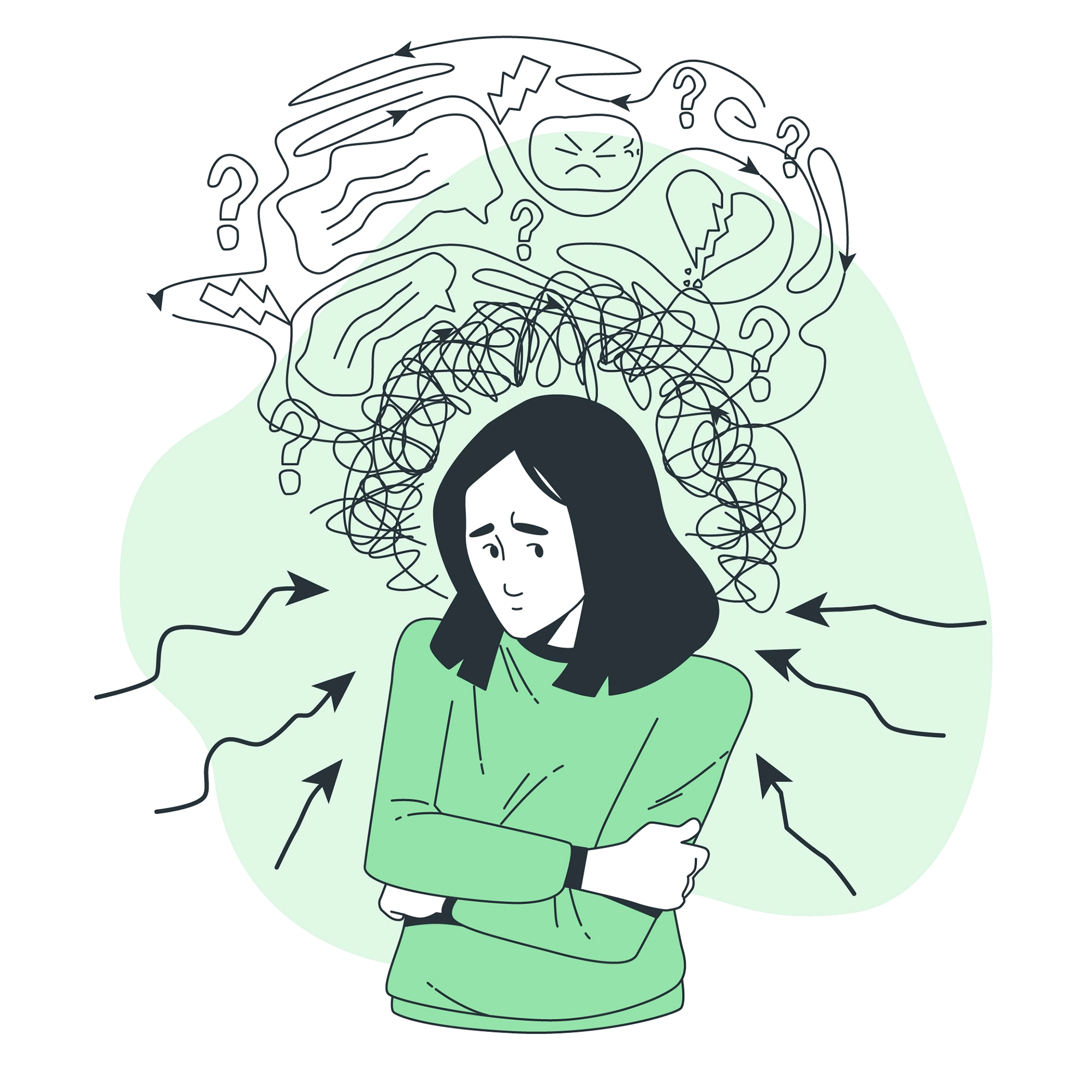
Symptoms of Anxiety
Anxiety triggers the body’s fight-or-flight response, releasing adrenaline and preparing you for action. While useful in short bursts, ongoing anxiety can cause distressing physical and emotional symptoms.
Physical symptoms may include:
Emotional and psychological symptoms may include:
If these symptoms sound familiar, you’re not alone - and with the right support, they can be effectively managed.
Types of Anxiety Disorders
Reaction Disorders
Sometimes anxiety develops as a response to stressful events:
Phobias
Phobias are fears that feel overwhelming and out of proportion to real risk. They can prevent you from leading a normal life. Examples include:
Learn more on our dedicated Phobias page.
Obsessive-Compulsive Disorder (OCD)
OCD involves recurring intrusive thoughts (obsessions) and repetitive behaviours (compulsions), such as constant hand-washing to ease contamination fears.
Panic Disorder
Panic disorder causes sudden, severe anxiety attacks with no obvious trigger. Attacks may last 5–10 minutes (sometimes longer) and include intense physical symptoms. Fear of future attacks can become as disabling as the attacks themselves.
How Hypnotherapy Helps with Anxiety
Anxiety doesn’t have to control your life. At Anglia Hypnotherapy, Ruth Watson draws on over 25 years of experience to tailor therapy to each client’s needs. She offers three core approaches:
Clinical Hypnosis
(Suggestion Therapy)
Best for mild or situational anxiety, such as exam nerves or travel worries. Just one or two sessions may be enough to reduce symptoms and restore calm.
Cognitive Processing & Integration Therapy (CPI)
Best for mild or situational anxiety, such as exam nerves or travel worries. Just one or two sessions may be enough to reduce symptoms and restore calm.
Mindfulness & More Programme
This approach addresses the beliefs that fuel anxiety, teaching you how to reshape your thoughts and build resilience. Available as group sessions or one on one therapy.
If these symptoms sound familiar, you’re not alone - and with the right support, they can be effectively managed.
Related Services
Because anxiety often overlaps with other challenges, you may also find these therapies helpful:
Take Back Control from Anxiety
You don’t have to live with constant worry or panic. With professional support, you can learn to calm your mind, reduce symptoms, and rebuild confidence.